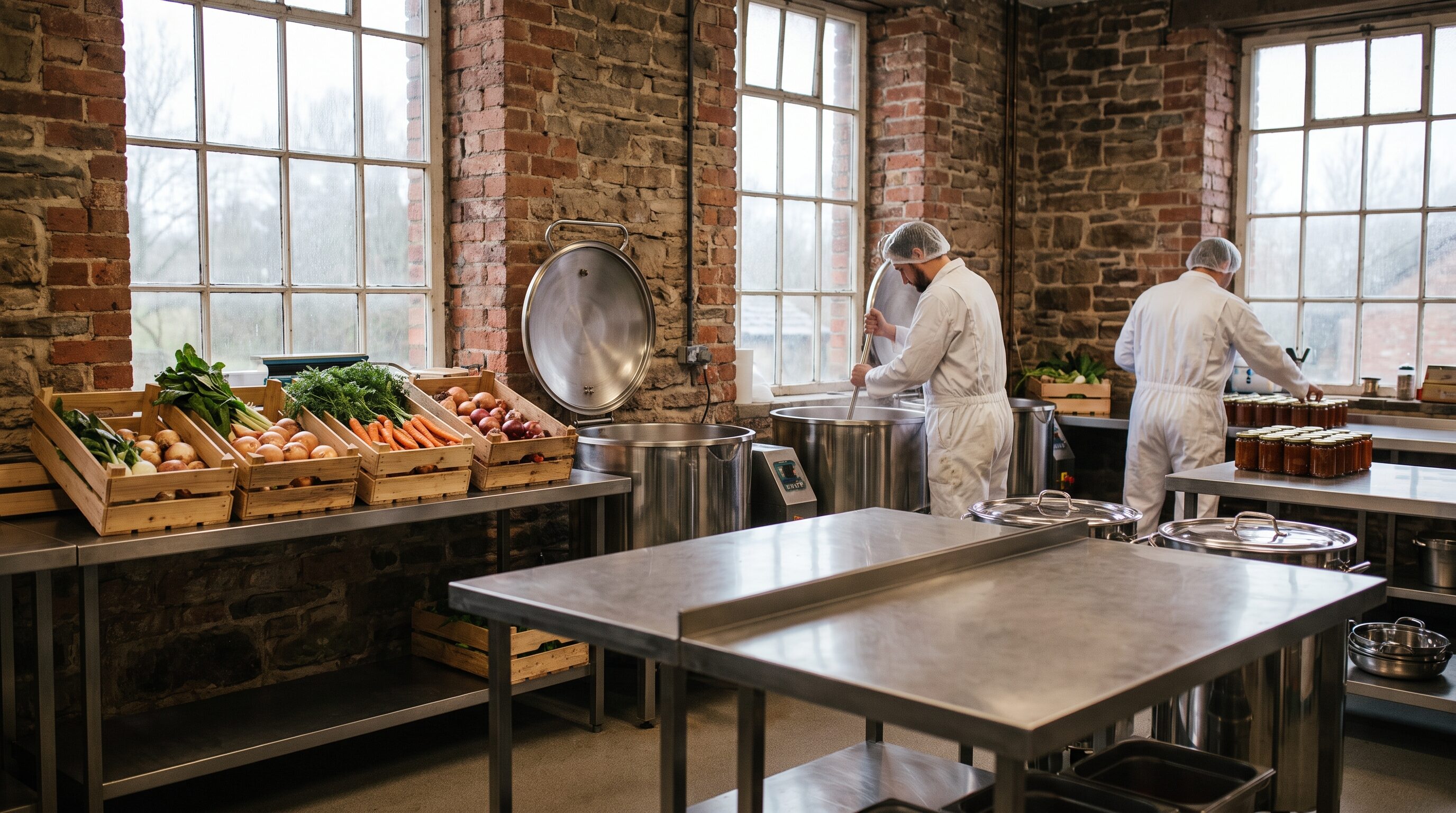
A kitchen, not a plant.
Six people, four kettles and a filling line that does eleven thousand tins on a good day. It is small enough that the person who cooked your food could tell you which farm the chicken came from.
How a batch happens
One recipe a day, Monday to Thursday. Fridays are for cleaning down and for the vet paperwork nobody enjoys.
Meat arrives at six
Fresh, never frozen, from farms inside forty miles. It is checked, weighed and logged against the batch before anything is switched on.
Chopped and mixed by nine
Coarse chopped, not minced to paste. The grain and vegetables go in whole and break down in the cook.
Filled by noon
Into the tin raw, then sealed. Everything goes in the tin the same day it arrives at the door.
Cooked in the tin
Sealed tins go into a retort and cook at 121 degrees for around seventy minutes. That is what makes it safe and shelf stable with no preservative.
Cooled and held
Cooled, labelled and held for two days while a sample from the batch is tested before any of it is released.
Boxed to order
Nothing sits in a warehouse for months. Boxes are picked against the deliveries due that week.
Why cook it in the tin
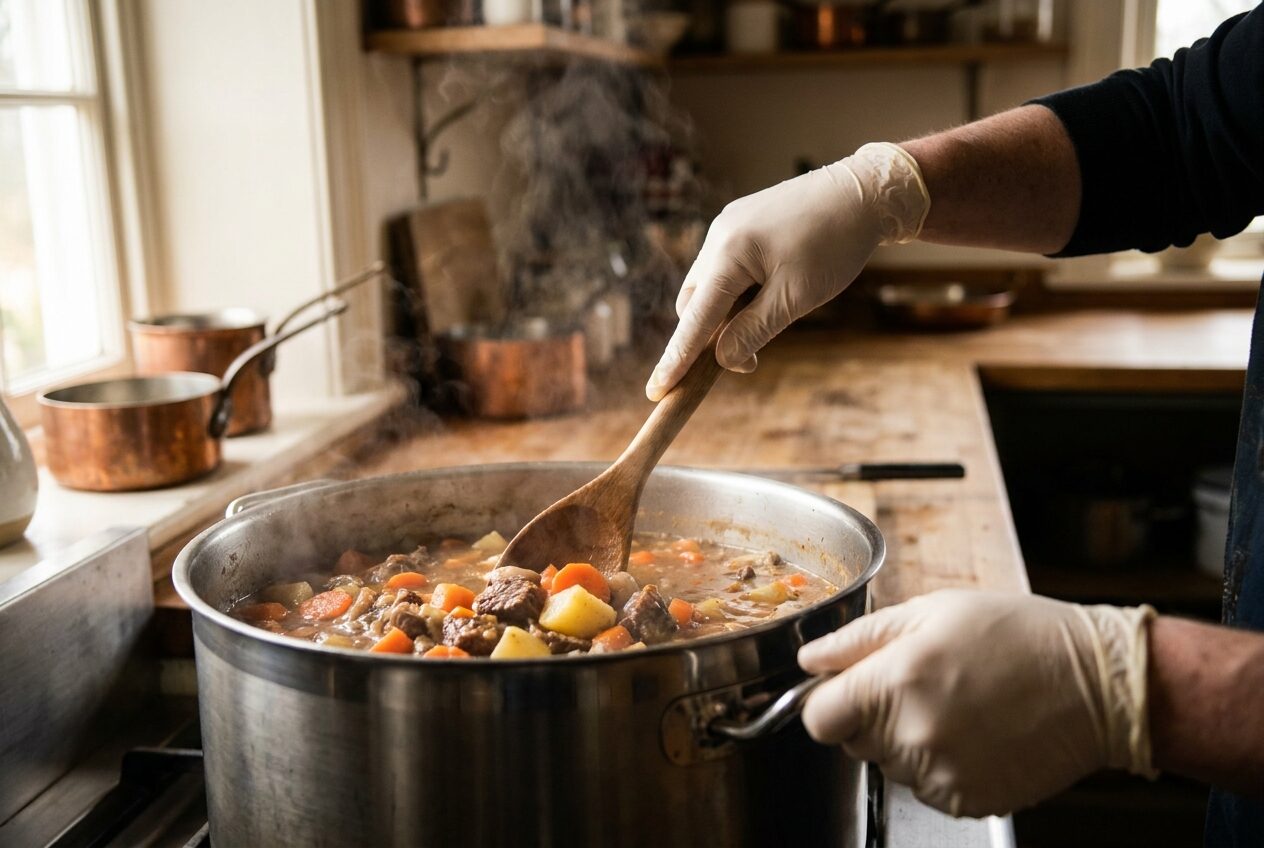
Most wet food is cooked in bulk and then portioned into pouches or trays, which means a second heat step and usually a preservative to survive it. Cooking inside a sealed tin means the food is heated once and never touched by air again.
It costs more, it is slower and it limits us to one format. It is also why the ingredient list has no preservative on it and why an unopened tin keeps for two years in a cupboard.
The other reason is honesty. You cannot hide a poor cut of meat in a coarse chopped food. It is visible in the tin.
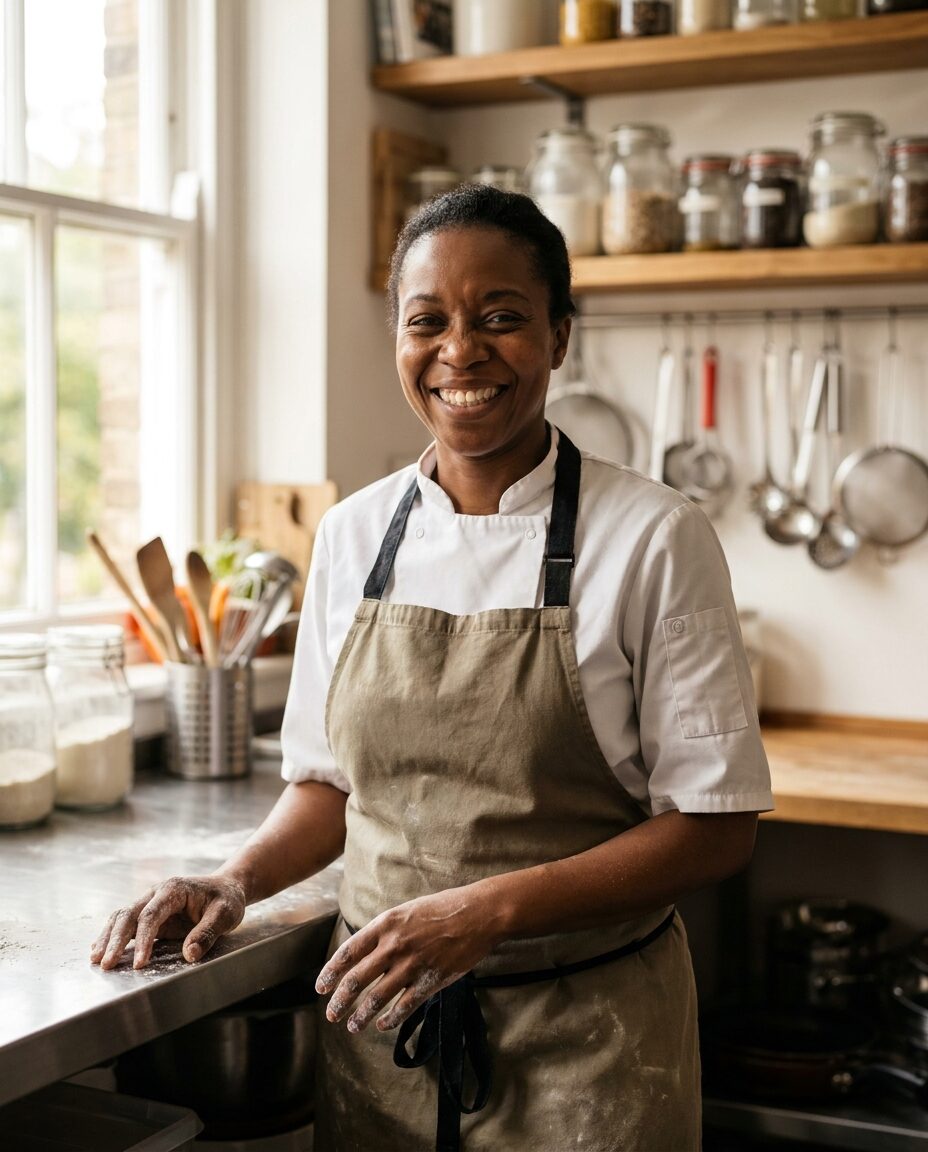
Nessa Okonkwo
Nutrition and recipes. Nessa spent nine years formulating for a large pet food group and left because she was tired of being asked to make the label say more than the tin did. She writes every recipe and argues with the vet about the vitamin premix once a year.
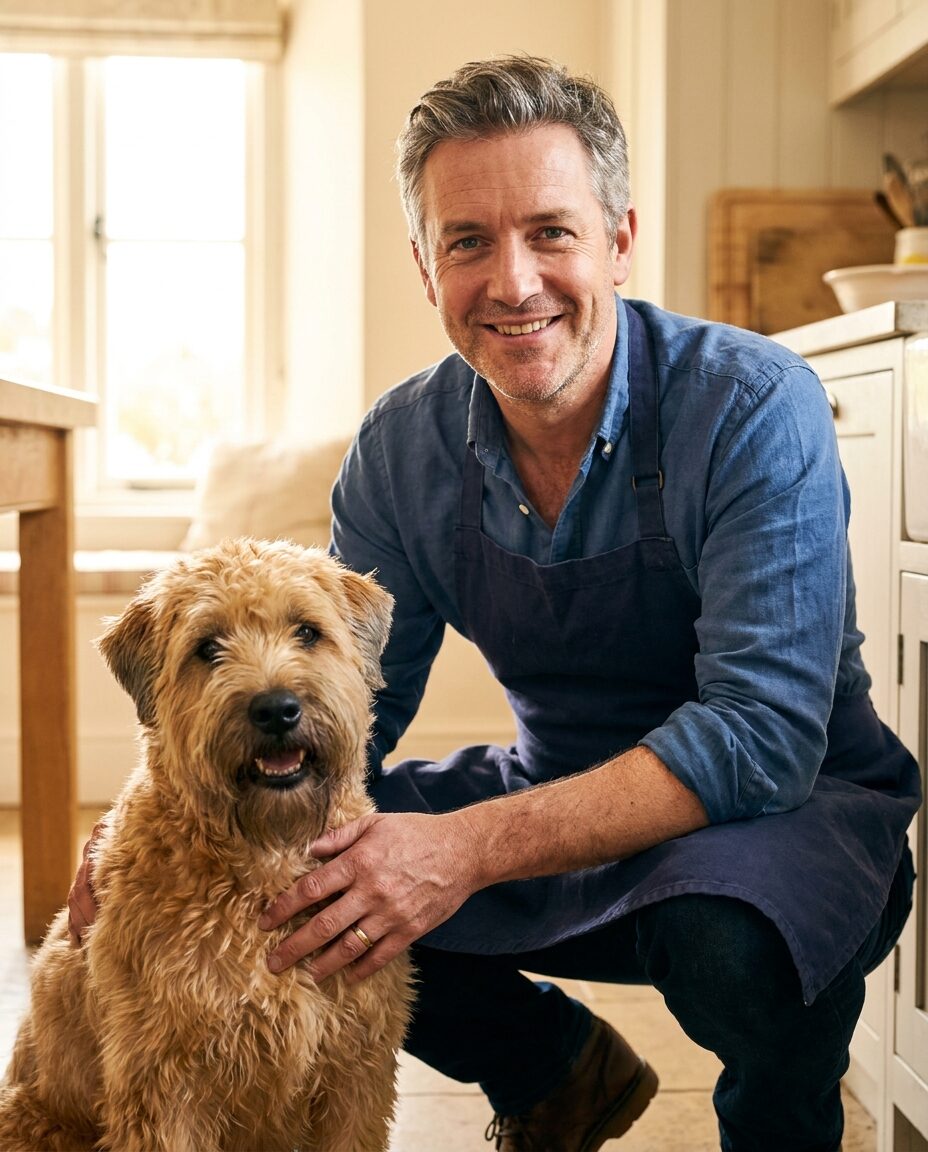
Tom Braithwaite
The kitchen. Tom cooked in restaurants for twenty years before this, which is why the food is chopped rather than pureed and why there is a herb in every recipe. The terrier is Dill, and this whole business is her fault.