Feeding your dog
Three of our five recipes are for dogs. The hard part is not choosing between them, it is getting the amount right, so start there.
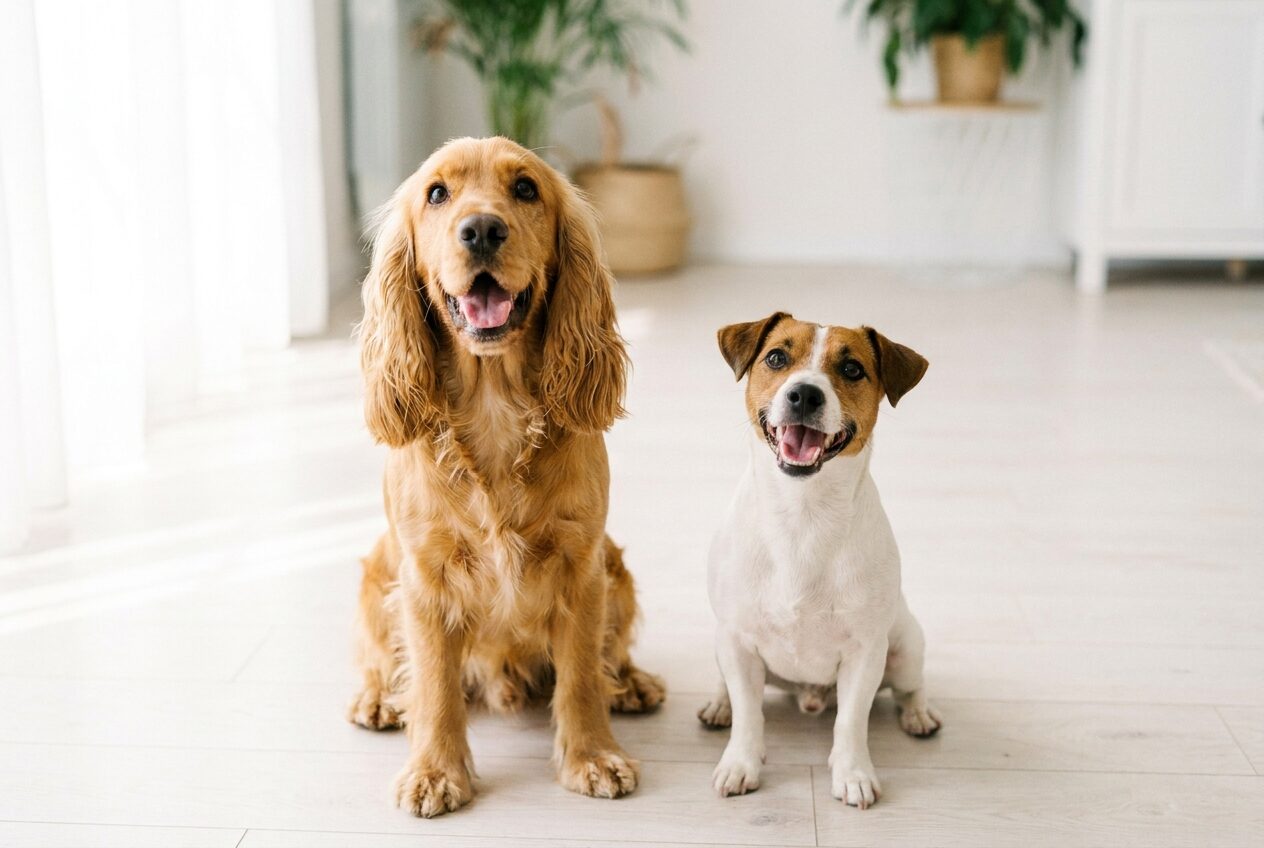
How much does your dog need?
Most guidance on the back of a tin is vague on purpose. This is not. Give us a weight and we will give you a number.
Your portion appears here
Fill in the weight and we will do the arithmetic.
Here is the plan
£0. £0 a tin at that size.
Portions by weight, roughly
A healthy adult dog eats about two and a half percent of its body weight a day. Puppies eat far more, older dogs a little less. These are starting points, not rules.
| Your dog weighs | A day | Tins a day | Roughly |
|---|---|---|---|
| 2 to 5kg | 50 to 125g | Under half | Chihuahua, small terrier |
| 5 to 10kg | 125 to 250g | Half | Pug, dachshund |
| 10 to 20kg | 250 to 500g | One | Border terrier, spaniel |
| 20 to 30kg | 500 to 750g | One and a half | Labrador, collie |
| 30 to 40kg | 750g to 1kg | Two | German shepherd, boxer |
| Over 40kg | 1kg upwards | Two and a half | Great dane, mastiff |
Switching over without a disaster
Dogs have settled gut bacteria. Change everything at once and you will spend the weekend cleaning. Take a week over it instead.
Days 1 and 2
A quarter Snaffle, three quarters what they eat now. Mixed together, not side by side.
Days 3 and 4
Half and half. This is where most dogs start eating faster.
Days 5 and 6
Three quarters Snaffle. Keep an eye on what comes out the other end.
Day 7
All Snaffle. If anything looks unsettled, drop back a step for two days.
If your dog is fussy
Fussiness is nearly always one of three things: they are being topped up elsewhere, the food is cold, or they have learned that refusing dinner produces something better.
- Serve it at room temperature. Straight from the fridge it smells of nothing, and smell is most of the appetite.
- Put it down for twenty minutes, then take it away. Offer it again at the next meal.
- Count the treats. A few biscuits and a bit of cheese is a quarter of a small dog's daily calories.
- Try Chicken & Oats first. It is the mildest thing we make and the usual winner.
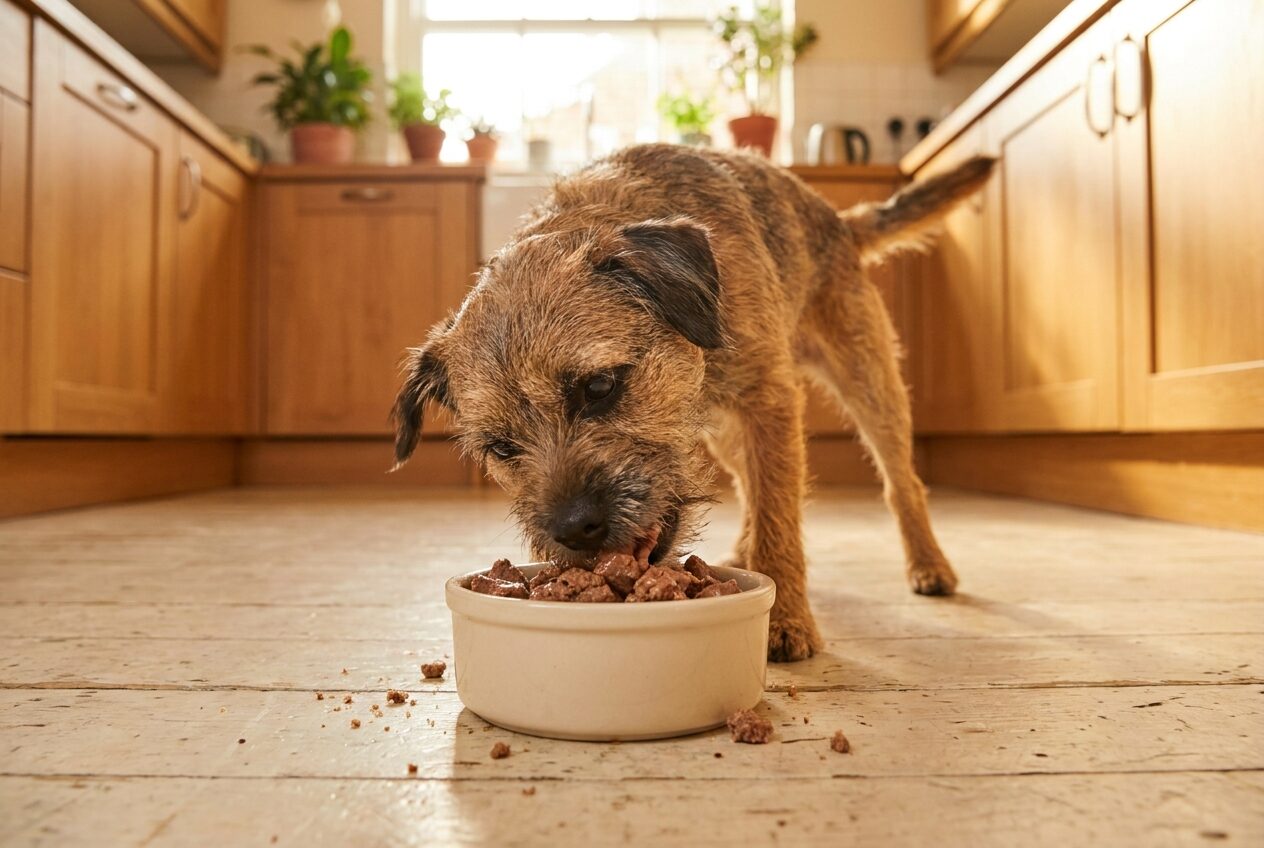
The three for dogs
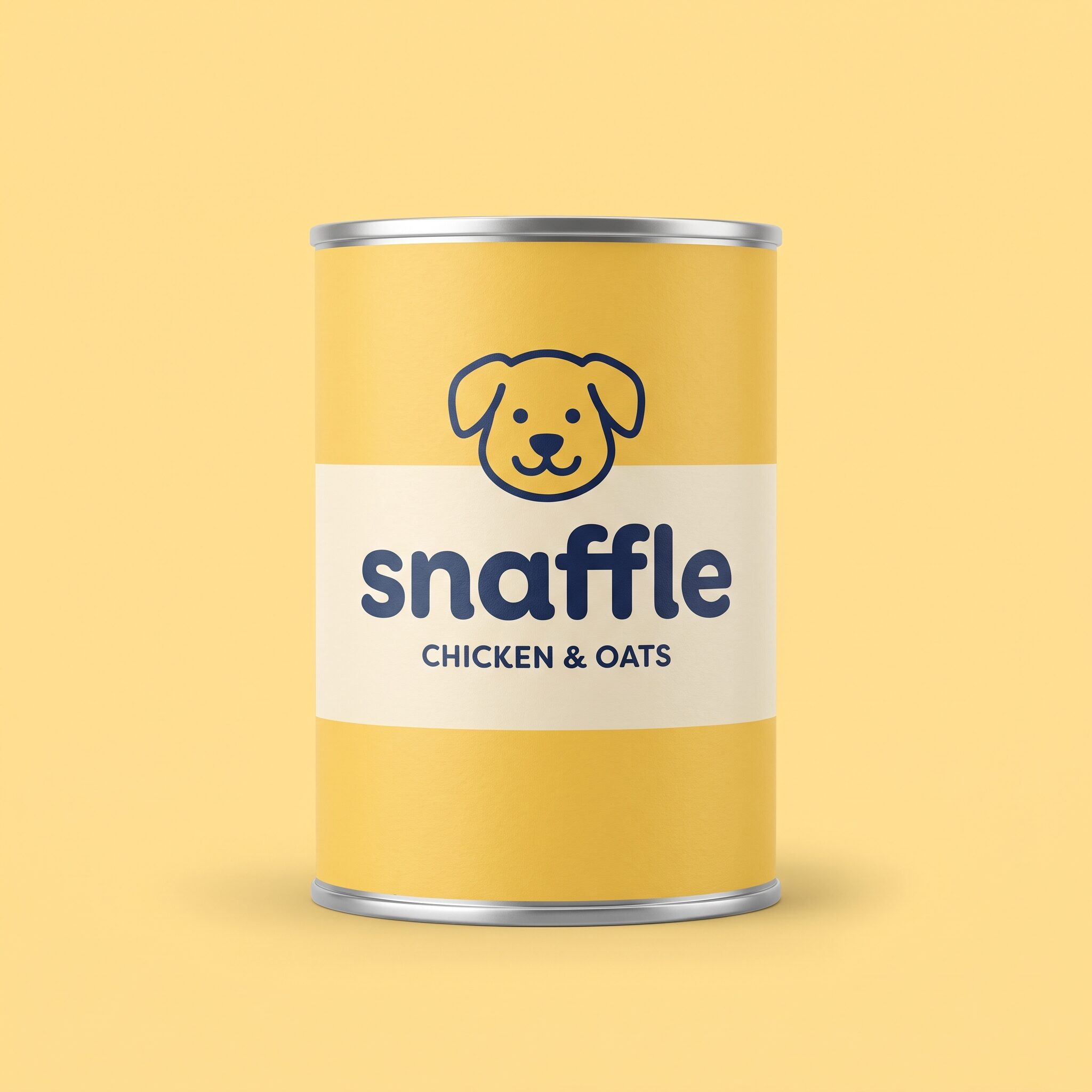 Dogs
Dogs
Chicken & Oats
The everyday one. Gentle, mild and the safest bet for a fussy dog.
Read the recipe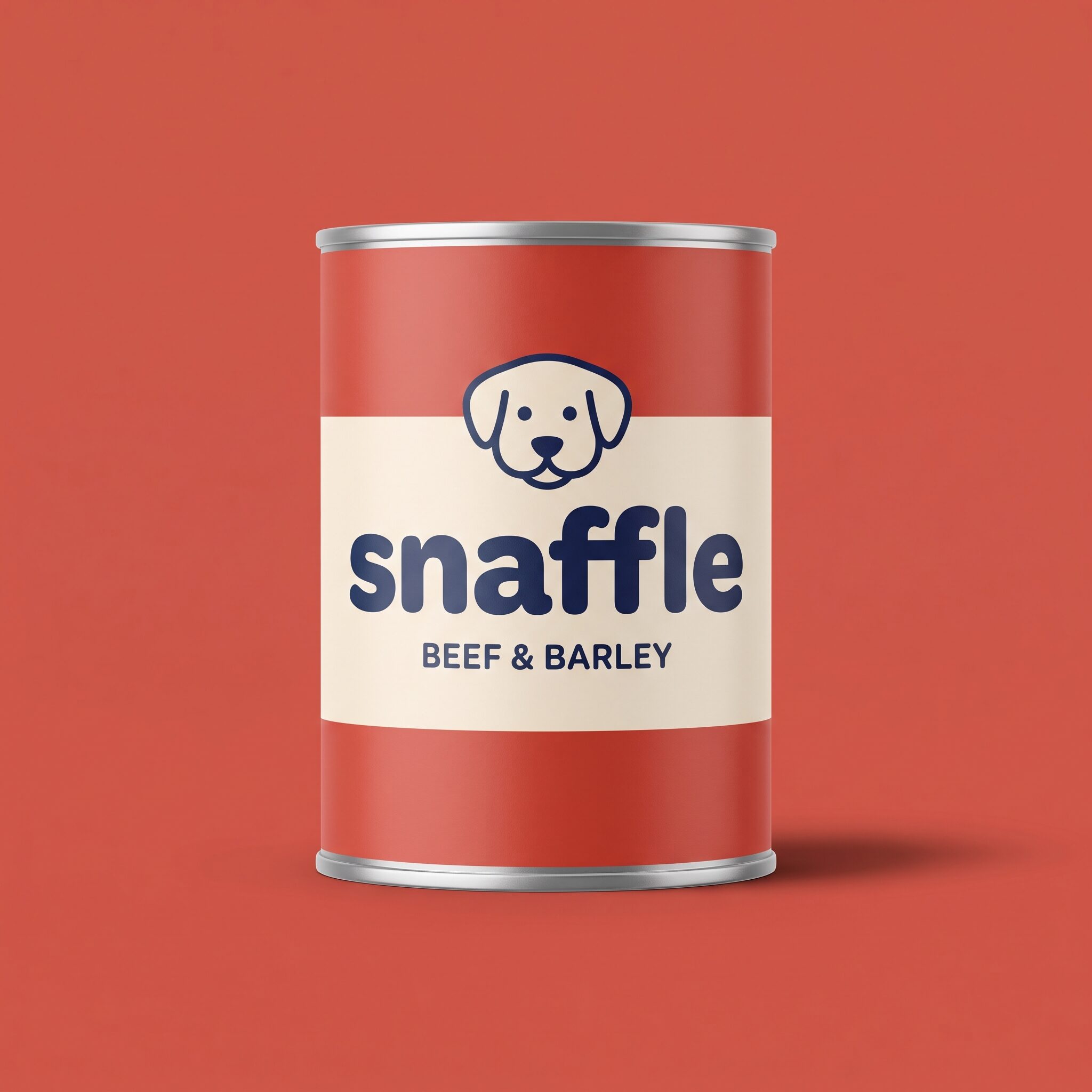 Dogs
Dogs
Beef & Barley
The rich one. For big appetites and dogs who work for a living.
Read the recipe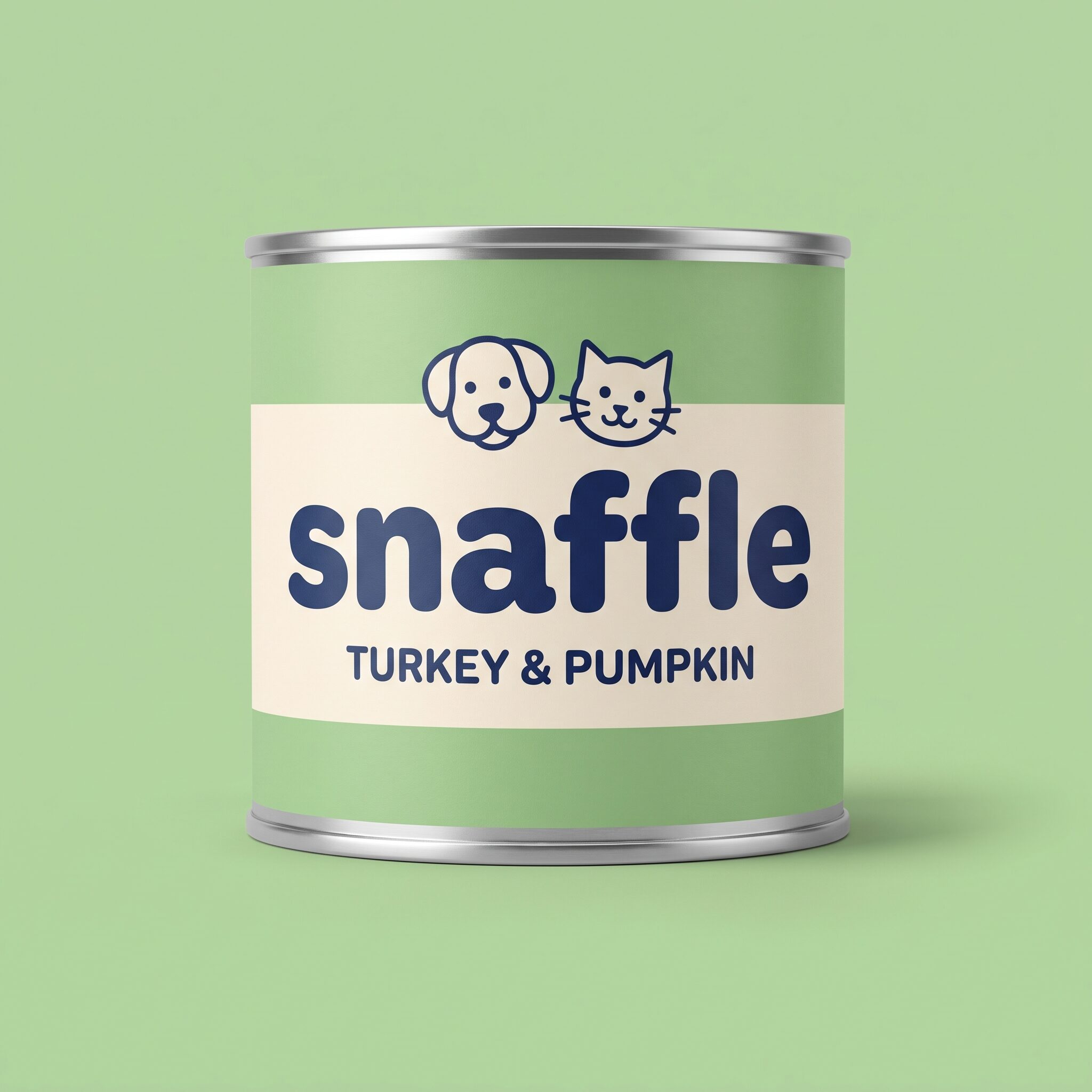 Dogs and cats
Turkey & Pumpkin
The peacekeeper. The only recipe both species can share.
Read the recipe