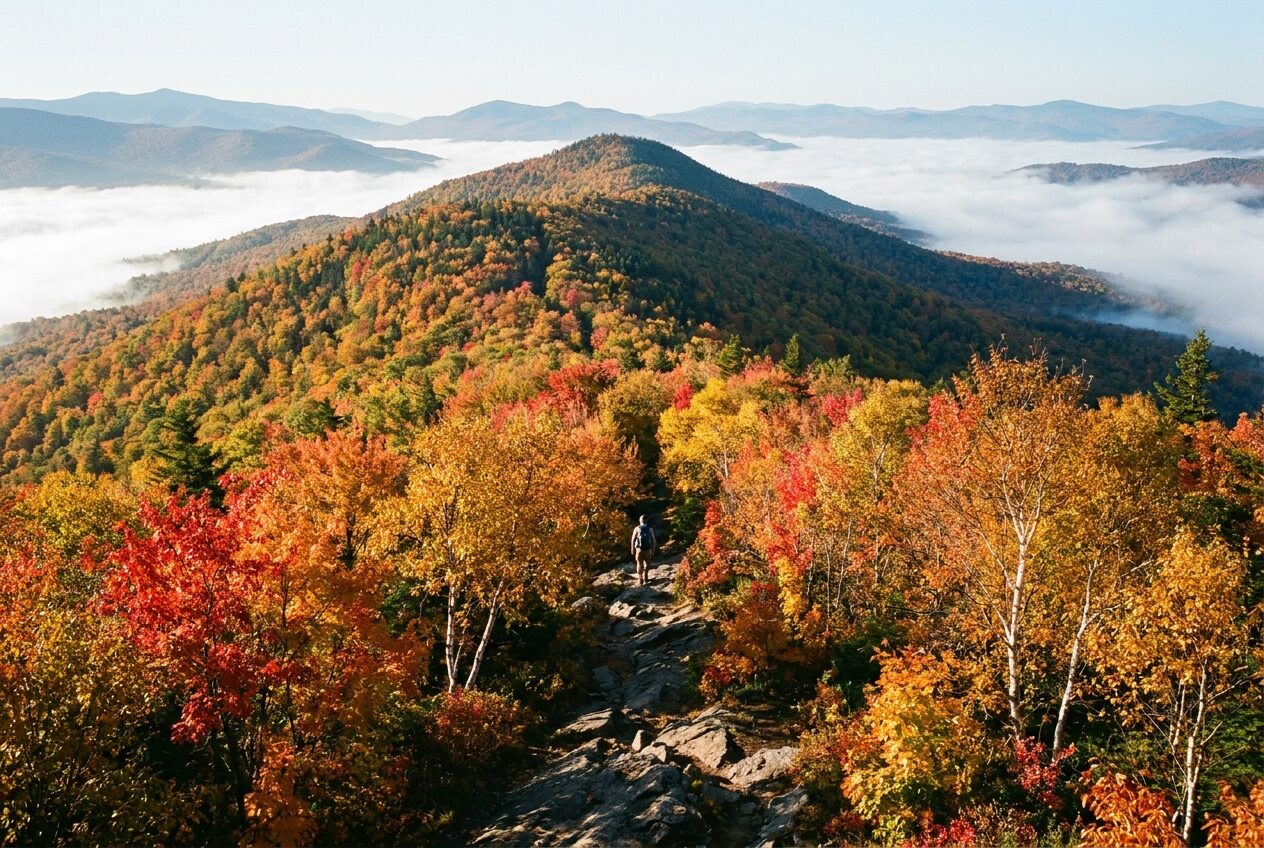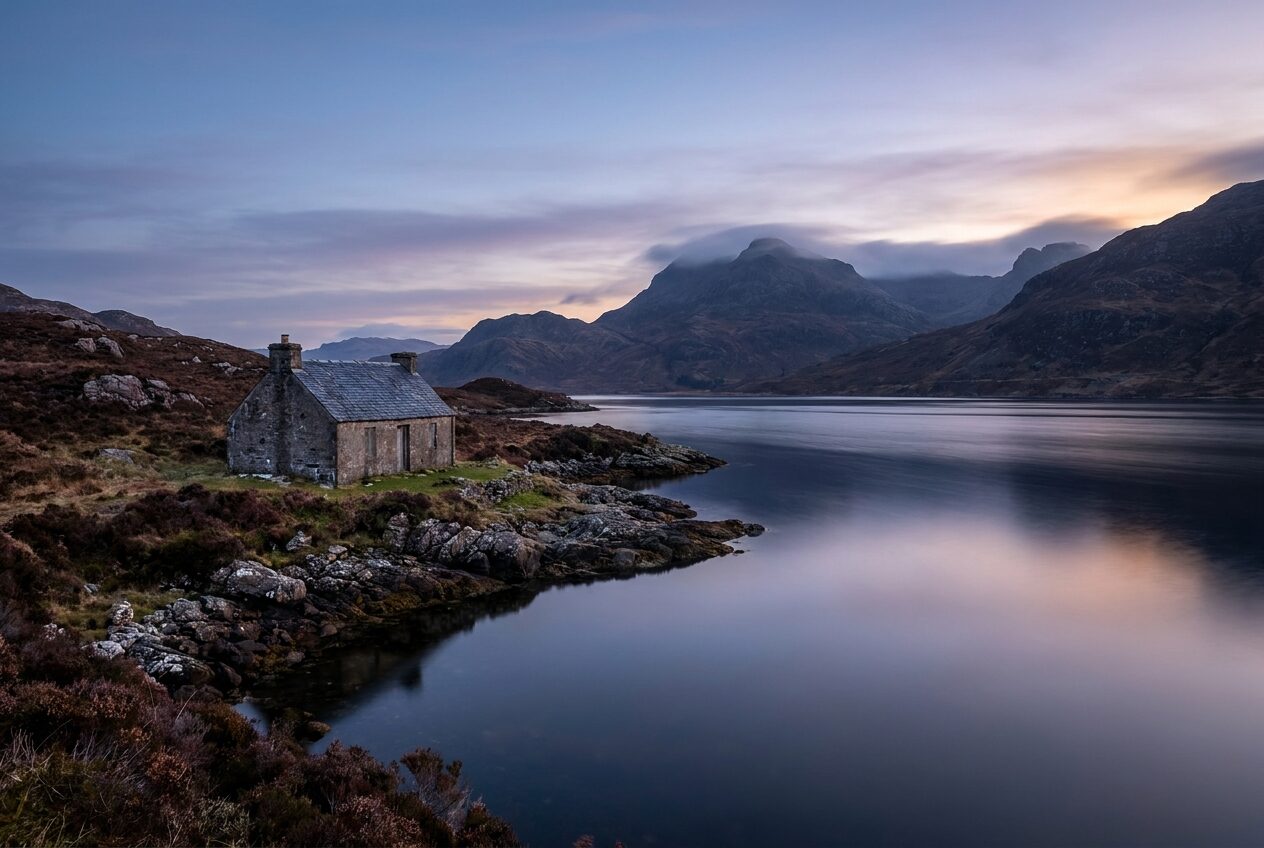
AUSTRALIA · TASMANIA · 41.68°S 145.95°E · SUMMER · OCT–APR
Overland Track
Tasmania's crossing of its glacial heart: Cradle Mountain to Lake St Clair through buttongrass plains and myrtle rainforest a million years out of date, with wombats at dusk, an optional Ossa summit, and a ferry finish across Australia's deepest lake.
THE ROUTE, CHARTED
The elevation profile
GPS-logged. Camps and key points marked; the shape of the route is the honest version of the brochure.
THE SHAPE OF THE TRIP · 8 DAYS
The itinerary
Cradle to Windermere
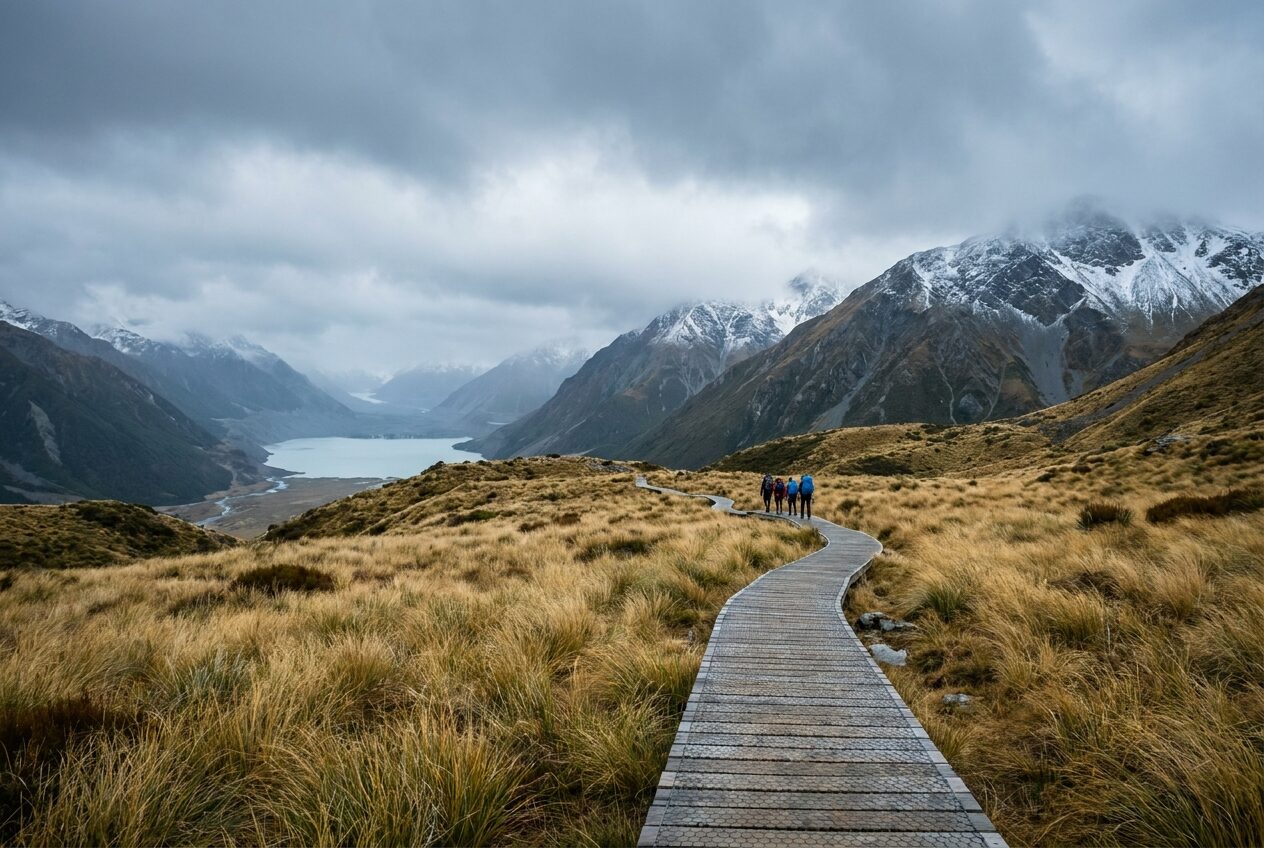
Up past Crater Lake onto the Cradle plateau — the mountain's columns overhead, Barn Bluff's cone ahead — then open buttongrass ridges to Waterfall Valley and Windermere's lake-shore hut, where wombats mow the grass at dusk with total commitment.
Pelion and the high gap
Through myrtle forest to the plains at Pelion, the track's green heart: an afternoon of waterfalls or the old copper-mine track, then over Pelion Gap with packs dropped for Mount Ossa, 1,617m — boulder scrambling to a summit that sees eighty kilometres of wilderness in every direction.
Du Cane and the lake
The gorge days: past Du Cane hut's century-old shingles, the triple falls of the Mersey, and the long forest descent to Narcissus at Lake St Clair's head — where the ferry collects you across Australia's deepest lake, and the first shower at Cynthia Bay achieves religious significance.
WHY THIS ROUTE
The expedition
The Overland Track crosses a World Heritage wilderness that evolution ran as a separate experiment: buttongrass moorland patrolled by wombats and pademelons, cool-temperate rainforest of myrtle and sassafras with King Billy pines a thousand years old, and dolerite peaks — organ-pipe columns of them — rising out of the mist like industrial cathedrals. We walk it north to south from Cradle Mountain, taking eight days for a track most rush in six: time for the side trips that are the track's secret spine — Barn Bluff, the waterfall circuit at Pelion, and Mount Ossa, 1,617m, Tasmania's highest, on the day the weather allows. Nights in the track's timber huts (tents carried as backup, per the rules and per sense). Honest note: Tasmanian weather ignores the calendar — snow falls in January often enough to be unremarkable — and hut space is never guaranteed; carrying the tent you probably won't use is the price of the wilderness working.
HIGHLIGHTS
- Cradle Mountain's dolerite crown to start
- Mount Ossa side-trip, 1,617m — Tasmania's roof
- Wombats at dusk, quolls if fortune smiles
- Thousand-year King Billy pines
- The ferry finish across Lake St Clair
- Waterfall day at Pelion: three falls, one afternoon
STRAIGHT ANSWER
Is this for you?
You should be able to say yes — honestly — to all of these:
- You can walk six-to-seven-hour days on rough ground, back to back, and enjoy most of them.
- You are happy in a tent, in weather, with no shower and an early kettle.
- You would rather be told the truth about a hard day than sold an easy one.
Grade 3 means grade 3. If you're not sure, ring us — we'd rather lose a booking than carry a struggle.
THE LEDGER
What £1,940 covers
INCLUDED
- Wildtrace guide (Jonas Iversen) at a max ratio of 1:8
- All hut, refuge or lodge nights as described, with evening meals
- Tents, group camp kit and all meals on trek
- Group safety kit: inReach satellite comms and expedition first aid
- Pre-trip video call, training plan and the real kit list
NOT INCLUDED
- International travel to the start point
- Personal travel insurance covering trekking to 1,617m — required, checked before departure
- Visas and permits payable on entry, where applicable
- Tips for local crew (we publish a guideline per trip)
- Sleeping bag — bring your own or hire ours (£30/trip)
- Lunches and drinks on travel days
PACK THIS, NOT EVERYTHING
Kit, previewed
The items that matter most on this route. The full list — with honest notes on what not to buy — lives in the kit room and is sent on booking.
Broken-in boots matched to the terrain. Broken-in is the load-bearing phrase.
Waterproof jacket and trousers you actually trust.
A day pack that fits — 30–35L covers almost every trip.
Headtorch plus spare batteries. Early starts are a feature.
Sheet sleeping-bag liner and earplugs. Dormitory diplomacy in two items.
Sleeping bag and mat rated for the trip's coldest night (hire available, £30).
2L capacity plus purification where the trip notes say so.
A proper insulated jacket. Evenings are where trips are enjoyed or endured.
WHO'S TAKING YOU
Your guide
Jonas Iversen
IML · POLAR & NORDIC LEADTromsø-born, polar-certified, measures distances in coffee stops. Has crossed the Hardangervidda in every month of the year and still calls August 'the easy one'.
HOW WE RUN IT
Max 8 walkers. inReach satellite comms carried and checked daily. Escape routes planned before we sell a single place. And the weather rule that built this company: we turn back. That's the deal. Full detail on our safety page.
NO PAYMENT AT THIS STAGE
Ask about this trip
Send this and a guide rings you back — Tuesday or Thursday evening, usually. Fifteen minutes, honest questions both ways, no hard sell.
IF THIS, THEN ALSO